.svg)




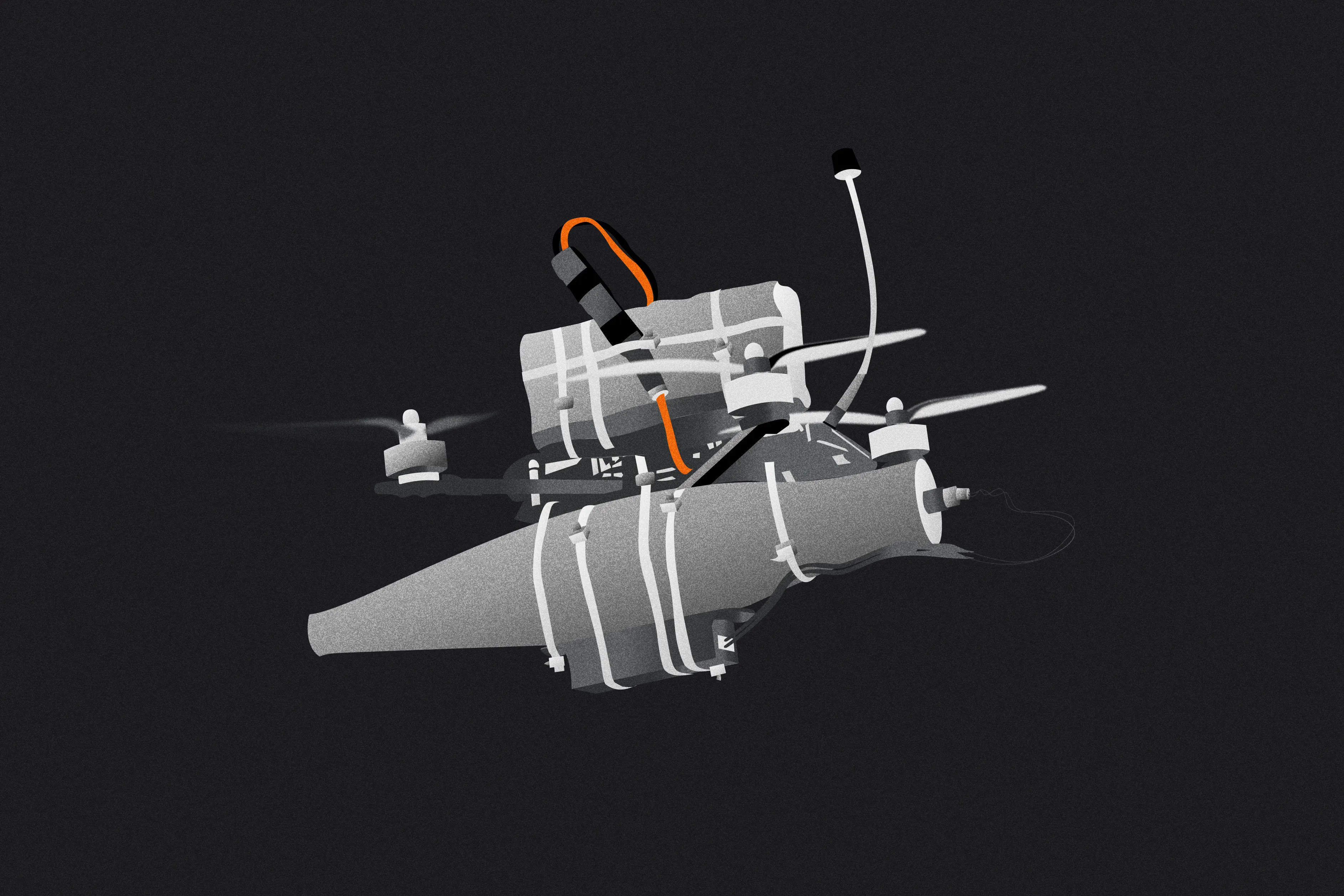
Why don’t we pew-pew it?
The Psychology Behind the Preference for Destruction
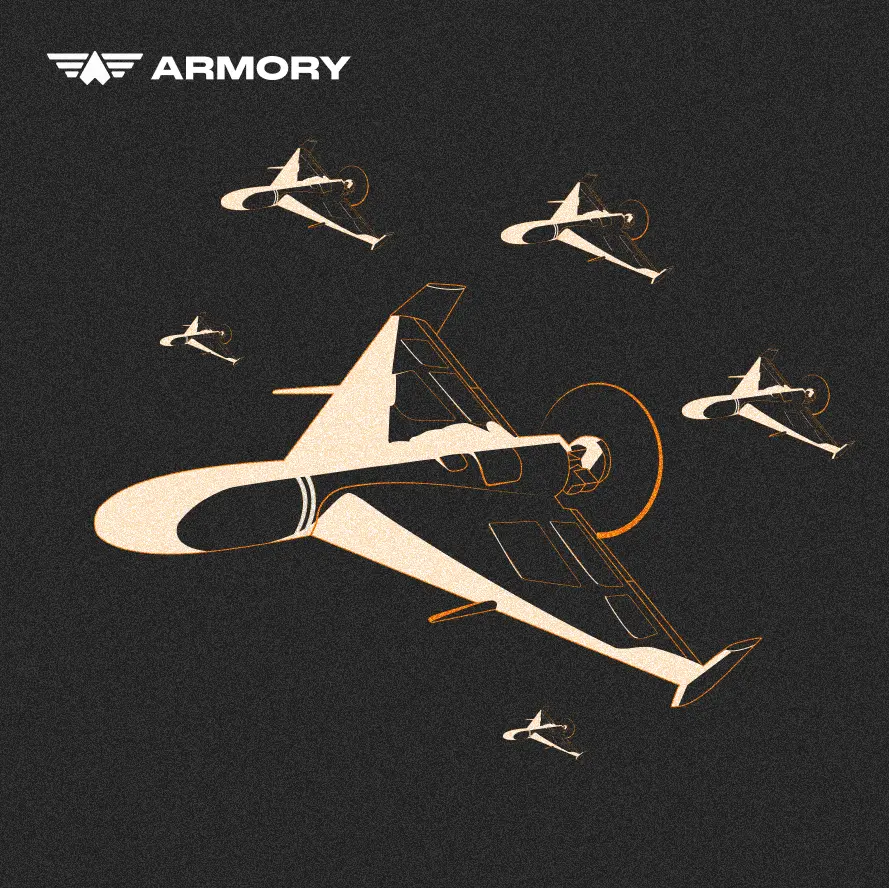
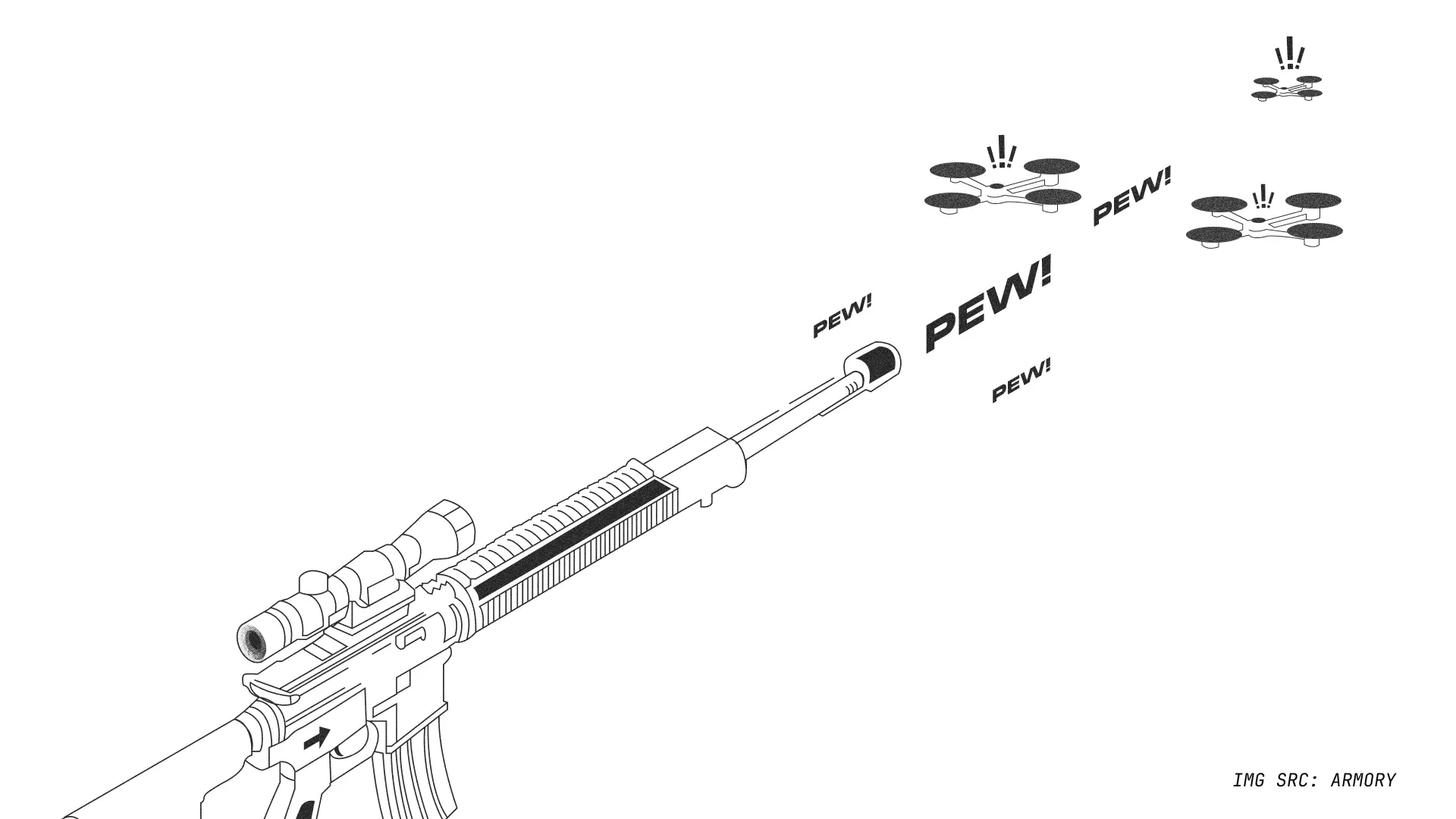
In the evolving landscape of counter-drone technology, one question often arises: Is hard-kill the only effective way to neutralise drones? Our Twitter mentions are usually full of defense enthusiasts suggesting C-UAS solutions, which involve shooting at a drone (which we absolutely do not mind, by the way). While non-kinetic methods, such as jamming, spoofing, and cyber takeovers, have proven effective in various scenarios, the preference for hard-kill solutions persists, particularly within defence circles. This preference is not just about efficacy but is deeply rooted in human psychology and the inherent need for visible, immediate results.
The Appeal of Hard-Kill: Seeing is Believing
During the military demonstrations and live exercises, a recurring theme emerges: operators and decision-makers are most convinced of a drone’s neutralisation when they witness its physical destruction. There is an instinctive and deeply ingrained belief that a threat is only truly eliminated when it is obliterated before their eyes.
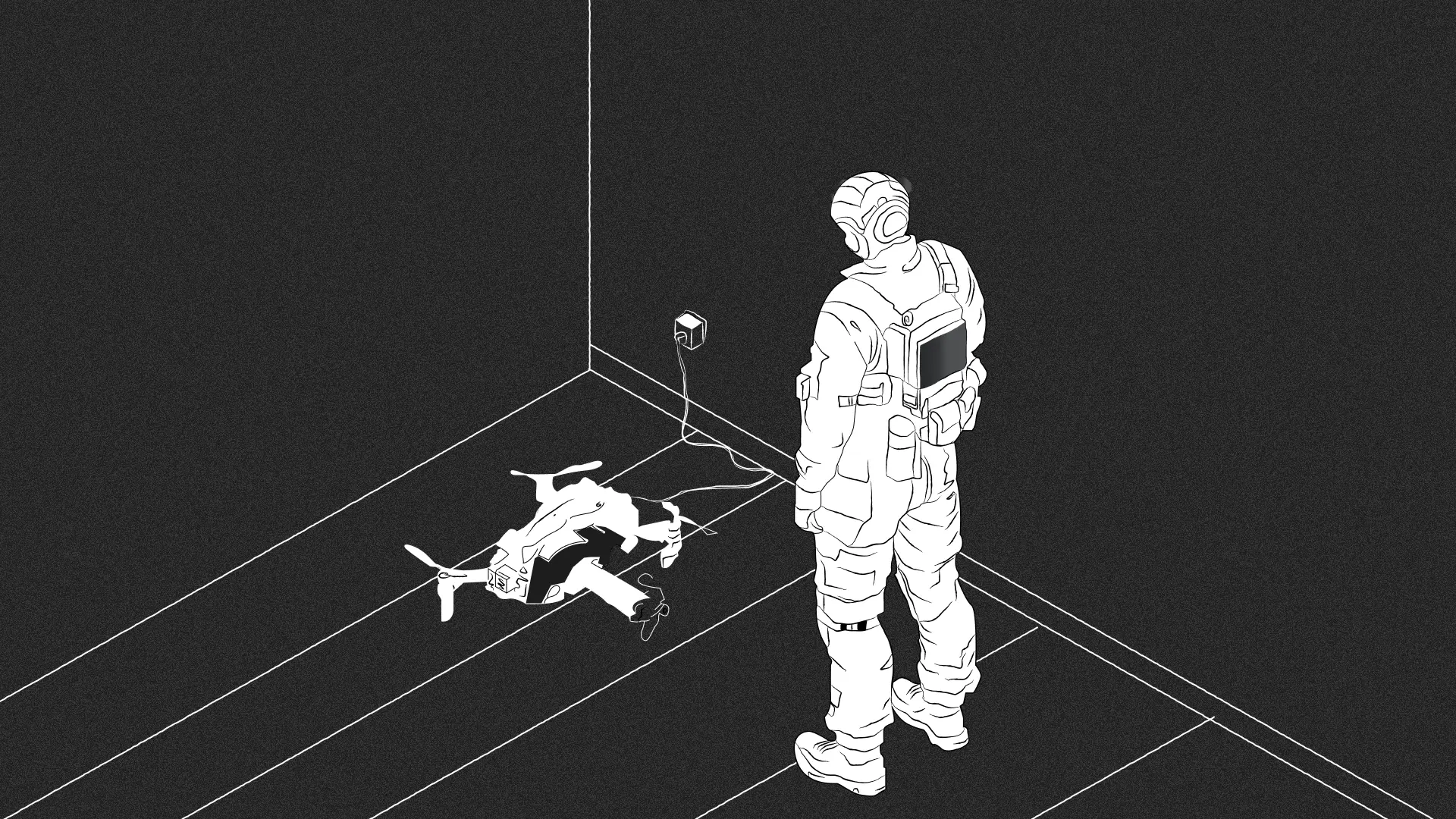
A classic age-old scenario: A man walks down a deserted road or alley and comes across someone lying on the ground, stabbed and wounded. Shocked and panicked, he rushes to help and instinctively pulls the knife from the victim’s stomach, only to be spotted by a passerby, who assumes he was the attacker rather than the rescuer.
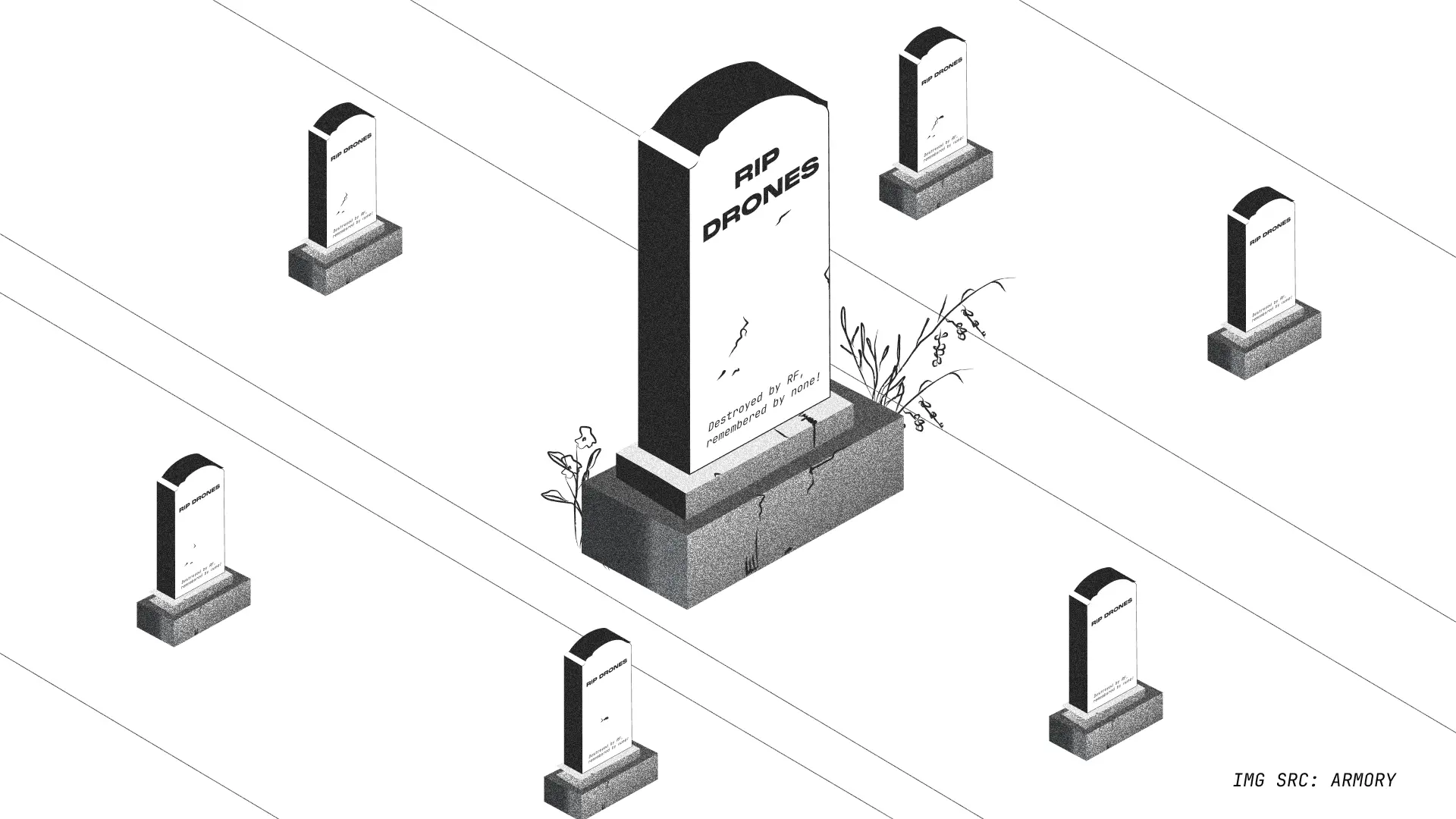
The mindset of humans is shaped by centuries of combat experience, where the effectiveness of a weapon or countermeasure is often measured by visual outcomes. A missile strike, a direct bullet hit, or even an explosion offers unambiguous confirmation that a target has been hit or neutralised. In contrast, soft-kill methods of drones or electronic warfare, or cyber hijacking, lack this immediate and dramatic feedback. If a drone simply veers off course or appears to shut down, there’s always an underlying question: Is it really neutralised? What if it comes back? What if it re-engages? What would happen if there were hundreds of them?
The Psychological Drive for Finality
The military operates in high-stakes environments where uncertainty can be fatal. The preference for hard-kill solutions is partially a result of risk aversion. When personnel on the ground see a drone physically destroyed, they experience a sense of closure and certainty, eliminating ambiguity and reinforcing confidence in the countermeasure’s effectiveness.
Cognitive Psychology suggests that humans are wired to respond to visual evidence more decisively and tangibly. This is known as the perceptual fluency effect, where our brains process information that we are familiar with much faster, with the least amount of effort, and it is therefore valued more by the autopilot part of the brain. When an enemy drone is blown out of the sky, the conclusion is immediate and unequivocal: threat eliminated. On the other hand, with the non-kinetic methods, the doubts linger.
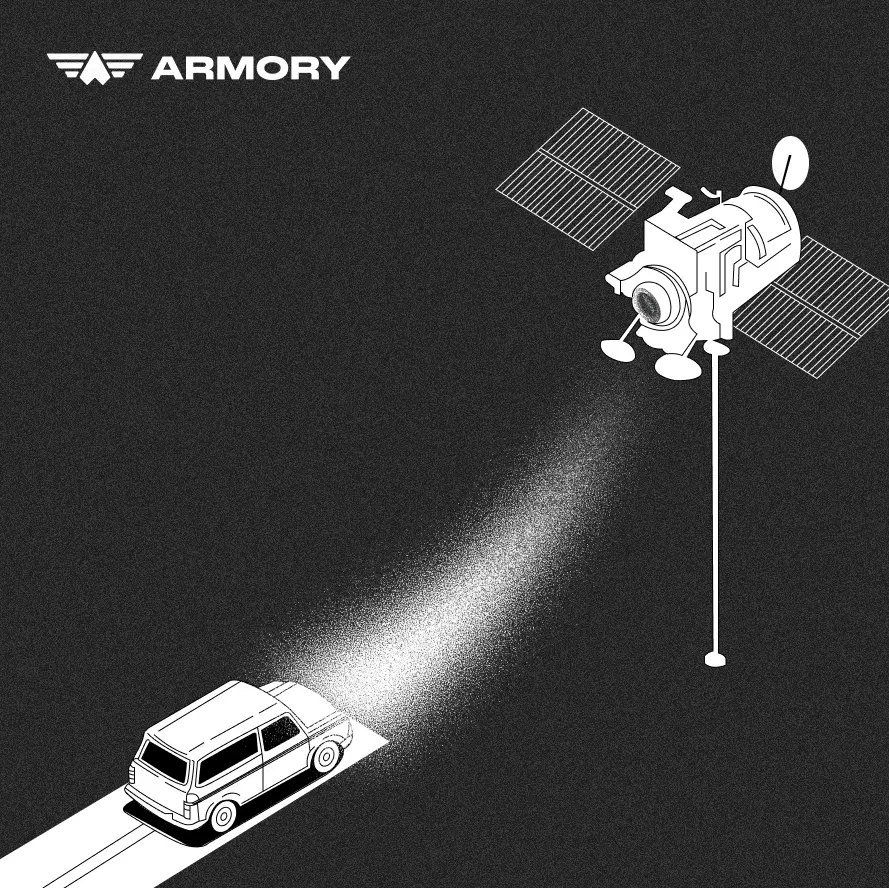
This skepticism is frequently voiced during demonstrations of soft-kill systems. These questions arise due to the lack of visual finality that destruction otherwise provides. The idea that an invisible force like jamming can permanently neutralise a threat feels counterintuitive compared to the visceral certainty of seeing a drone reduced to debris. Perhaps a cocktail of cognitive biases.
Cultural and Historical Influences
The preference for hard-kill solutions is also influenced by historical military engagements. Traditional warfare has conditioned military personnel to associate destruction with success. From sinking enemy ships to downing aircraft, tangible destruction has long been the benchmark of battlefield dominance. This cultural conditioning extends into modern counter-drone strategies, where hard-kill options such as directed energy weapons, kinetic interceptors, and explosive-laden drones are often prioritised.
Operational Simplicity and Tactical Considerations
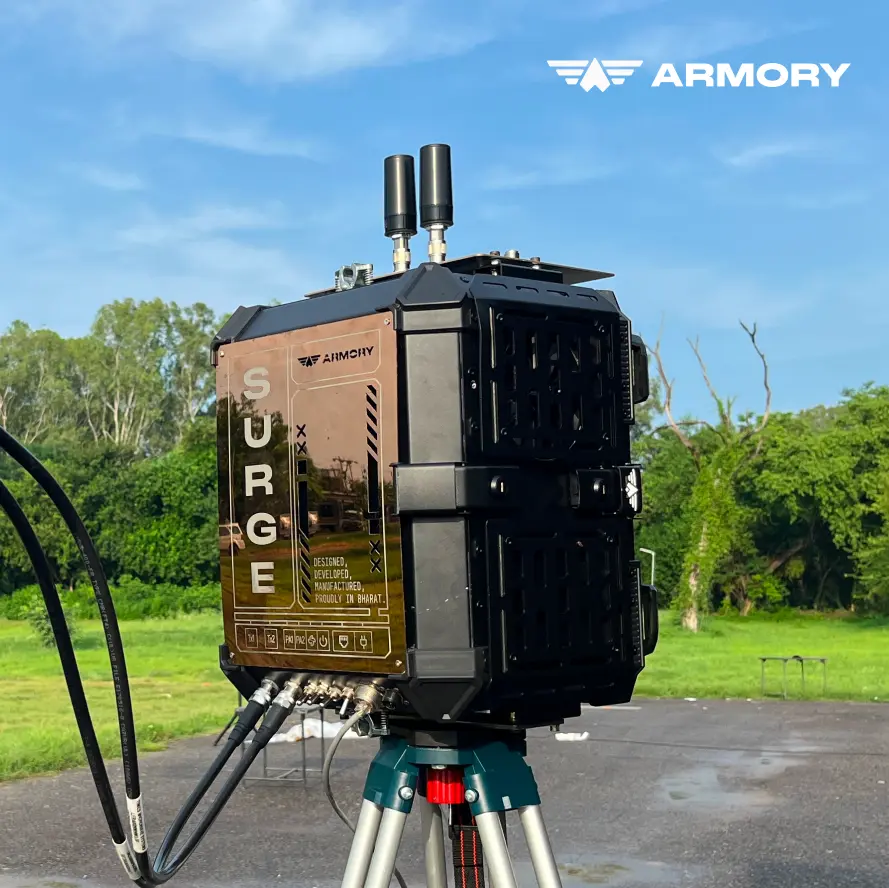
While hard-kill solutions provide immediate visual confirmation, soft-kill methods offer greater operational convenience and long-term effectiveness. Non-kinetic approaches such as jamming, spoofing, and cyber takeovers allow for reusable, cost-effective engagements without the need for constant resupply of munitions. Additionally, soft-kill techniques minimise collateral damage and can neutralise multiple threats simultaneously, making them more practical in environments where kinetic strikes might be impractical or risky. Unlike hard-kill solutions, which require precise targeting and favourable conditions, soft-kill methods can be deployed quickly and covertly, reducing operational strain and ensuring sustained defence against drone threats. For instance, a laser kill option, or an AI-driven gun-based option, as cool as it sounds, loses its feasibility in a civilian setting or around high-security infrastructures. Not to forget, they are not as mobile either. As good a solution as it may be, it could cause quite a bit of collateral damage.
The Future: Balancing Hard-Kill and Soft-Kill Approaches
Despite the psychological and operational appeal of hard-kill solutions, the future of counter-drone warfare will likely see an increasing blend of kinetic and non-kinetic approaches. While hard-kill methods provide certainty, soft-kill solutions offer cost-effectiveness, scalability, and reduced collateral damage. The challenge lies in overcoming the psychological barrier that makes non-kinetic options feel less satisfying or certain.
As the threat landscape evolves, militaries and security forces must adapt to trust in non-kinetic neutralisation techniques as well. The key to this shift will be improved feedback mechanisms, such as real-time telemetry, AI-driven confirmation systems, and visual indicators, that provide operators with the confidence that a drone is truly neutralised, even if it isn’t physically destroyed before their eyes.
Hard-kill remains the preferred method of neutralising drones largely due to human psychology, cultural conditioning, and operational pragmatism. The visual confirmation of destruction provides a sense of certainty that non-kinetic methods struggle to match. However, as counter-drone technology advances, the challenge will be to shift perceptions and build trust in alternative methods that can neutralise threats without necessarily obliterating them. In the end, the best counter-drone strategy will be one that balances psychological assurance with tactical efficiency.
Read more about how soft-kill is a smart and scalable solution to counter drones.